Otago Peninsula & Taiaroa Head (Muaūpoko · Pukekura)
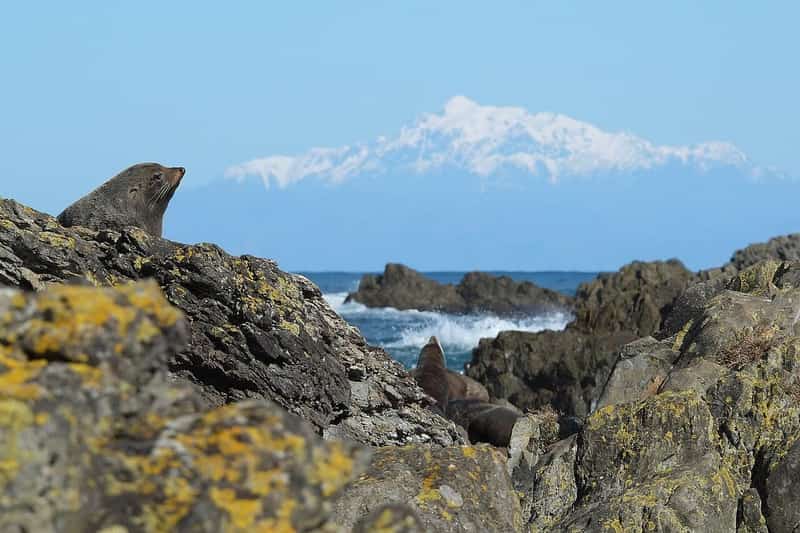
Volcanic ocean cliffs where Royal Albatrosses soar and little blue penguins come ashore
Südinsel · 2 days · GPS: -45.8350, 170.6450
Te Reo Māori: Muaūpoko · Pukekura (Moo-ah-oo-paw-kaw · Poo-keh-koo-rah · /muaˈuːpɔkɔ/) — Head of the peninsula & red hill (Taiaroa Head)
Portrait of This Sanctuary
Stretching 20 kilometres along Dunedin’s harbour, this ancient volcanic crater rim pairs winding stone walls and secret beaches like Sandfly Bay with unmatched wildlife encounters. At wind-lashed Taiaroa Head (Pukekura) lives the world’s only mainland breeding colony of Northern Royal Albatross.
Jutting twenty kilometres from Dunedin into the Southern Ocean, the volcanic Otago Peninsula pairs stone-walled hills and dramatic dune beaches with arguably the richest mainland marine wildlife in New Zealand.
At windswept Taiaroa Head (Pukekura), Northern Royal Albatrosses glide on three-metre wingspans above the world’s only mainland albatross colony, while rare sea lions lounge on Sandfly Bay and tiny blue penguins waddle ashore at dusk.
Destination Dossier
- Elevation & Climate Feel
- 0–400 m volcanic hills · Windswept maritime & dramatic Southern Ocean skies
- Best Season
- November – March (albatross chicks, sea lions & penguins)
- Signature Scenery
- Steilküste, Pazifikstrand
- Your Goosebump Moment
- Watching a Northern Royal Albatross lock its three-metre wingspan effortlessly into a roaring Southern Ocean gale just metres overhead.
- Best Light & Photography Tip
- Late afternoon golden hour along Sandfly Bay dunes before little blue penguins waddle ashore at dusk.
- Arrival & Orientation
- 40 minutes east of central Dunedin along Otago Harbour.
Sensory Impressions On Site
Three-metre royal albatross wings slicing coastal updrafts at Taiaroa Head & little blue penguins at dusk
Bracing Southern Ocean wind on basalt cliffs & wild golden dunes at Sandfly Bay
91% wild albatross headland (91%)
Local Secrets & Field Notes
- Book a late-afternoon Royal Albatross viewing followed immediately by dusk little blue penguin arrivals at Pilots Beach.
- Walk down the towering dunes into Sandfly Bay—always giving resting New Zealand sea lions at least 20 metres of space.
- Drive scenic Highcliff Road along the spine outbound and return via waterfront Portobello Road.
Dream Routes Featuring This Stop
- Wildlife, Bird Islands & Marine Sanctuaries — Wild kiwi, royal albatrosses, sperm whales, and predator-free island arks
FAQ
How many days do you need for Otago Peninsula & Taiaroa Head and when is the best time to visit?
Plan 2 days for Otago Peninsula & Taiaroa Head. The best season is November – March (albatross chicks, sea lions & penguins), with standout photography and atmosphere during: Late afternoon golden hour along Sandfly Bay dunes before little blue penguins waddle ashore at dusk..
Where is Otago Peninsula & Taiaroa Head located in New Zealand and what is the climate like?
Otago Peninsula & Taiaroa Head sits in the Dunedin, Otago Peninsula & The Catlins region (Südinsel, GPS: -45.8350, 170.6450) with 0–400 m volcanic hills and a Windswept maritime & dramatic Southern Ocean skies profile.
How do you pronounce Muaūpoko · Pukekura in Te Reo Māori and what does it mean?
Muaūpoko · Pukekura is pronounced "Moo-ah-oo-paw-kaw · Poo-keh-koo-rah" (IPA: /muaˈuːpɔkɔ/). Meaning: Head of the peninsula & red hill (Taiaroa Head).