Ōkārito Lagoon & Kōtuku Sanctuary (Ōkārito)
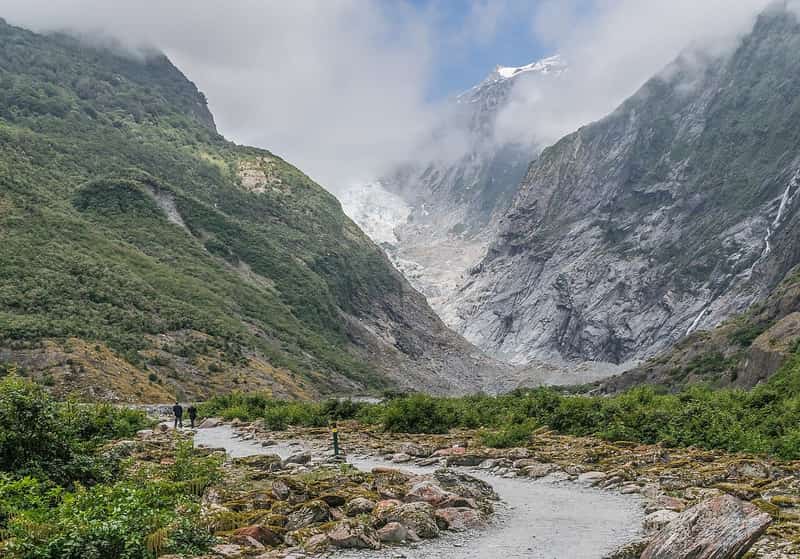
New Zealand’s largest unmodified coastal wetland, mirror kayak mornings & rare white herons
Südinsel · 2 days · GPS: -43.2250, 170.1650
Te Reo Māori: Ōkārito (Aw-kah-ree-taw · /oːkaːɾito/) — Place of young nīkau shoots (white heron lagoon)
Region: Wild West Coast & Alpine Passes (Te Tai Poutini · Greenstone Coast, Rainforest & Glaciers)
Portrait of This Sanctuary
Just twenty minutes north of Franz Josef Glacier sits sleepy Ōkārito—a handful of historic cottages perched beside 3,200 hectares of untouched tidal wetland. At dawn, silent kayaks glide across golden-lit water mirroring Aoraki / Mount Cook while rare sacred kōtuku (white herons) stalk the sedges.
At the end of a quiet side road, 30-resident Ōkārito rests beside New Zealand’s largest unmodified coastal wetland. On still mornings, snow-draped Aoraki and the Southern Alps mirror flawlessly across the glassy lagoon.
Paddling silently into kahikatea-rimmed channels brings sightings of rare white kōtuku (herons) and royal spoonbills, while nearby rainforest protects the sole wild sanctuary of the critically endangered rowi kiwi.
Destination Dossier
- Elevation & Climate Feel
- 0–160 m (Ōkārito Wetland & Trig) · Still misty lagoon & alpine-ocean views
- Best Season
- October – April (dawn kayaks & kōtuku breeding season Nov.–Feb.)
- Signature Scenery
- Pazifikstrand, Regenwald, Bergsee
- Your Goosebump Moment
- Floating motionless in a kayak at sunrise on glass-flat Ōkārito Lagoon as snow-draped Southern Alps rise twice—above the rainforest and upside down beneath your bow.
- Best Light & Photography Tip
- Calm dawn kayaking on rising tide and sunset walks up the Ōkārito Trig panorama.
- Arrival & Orientation
- About 25 minutes north of Franz Josef Glacier via a sealed 13 km turnoff from SH 6.
Sensory Impressions On Site
Silent dip of kayak paddles & quiet wingbeats of white kōtuku herons
Cool morning mist, damp kahikatea forest & crisp tidal lagoon air
97% glassy lagoon stillness (97%)
Local Secrets & Field Notes
- Launch at dawn with Ōkārito Kayaks when the lagoon lies still as obsidian (check tide times).
- Reserve a small-group nocturnal Ōkārito Kiwi Tour to encounter the rarest kiwi species on Earth.
- Hike the 1.5-hour Ōkārito Trig Walk for breathtaking dual views of Tasman surf and alpine ice.
FAQ
How many days do you need for Ōkārito Lagoon & Kōtuku Sanctuary and when is the best time to visit?
Plan 2 days for Ōkārito Lagoon & Kōtuku Sanctuary. The best season is October – April (dawn kayaks & kōtuku breeding season Nov.–Feb.), with standout photography and atmosphere during: Calm dawn kayaking on rising tide and sunset walks up the Ōkārito Trig panorama..
Where is Ōkārito Lagoon & Kōtuku Sanctuary located in New Zealand and what is the climate like?
Ōkārito Lagoon & Kōtuku Sanctuary sits in the Wild West Coast & Alpine Passes region (Südinsel, GPS: -43.2250, 170.1650) with 0–160 m (Ōkārito Wetland & Trig) and a Still misty lagoon & alpine-ocean views profile.
How do you pronounce Ōkārito in Te Reo Māori and what does it mean?
Ōkārito is pronounced "Aw-kah-ree-taw" (IPA: /oːkaːɾito/). Meaning: Place of young nīkau shoots (white heron lagoon).