Cape Kidnappers (Te Kauwae-a-Māui) (Te Kauwae-a-Māui)
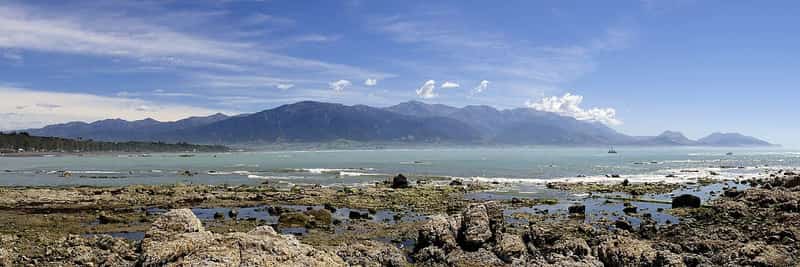
Soaring stratified sandstone cliffs & the world’s largest mainland Australasian gannet colony
Nordinsel · 1 day · GPS: -39.6440, 177.0920
Te Reo Māori: Te Kauwae-a-Māui (Teh Kow-wye ah Mah-oo-ee · /te kauwae a maːui/) — The jawbone fishhook of demigod Māui
Region: East Cape, Tairāwhiti & Hawke’s Bay (Te Tairāwhiti & Te Matau-a-Māui · Coast of First Light)
Portrait of This Sanctuary
Jutting sharply into Hawke Bay as the hook of Māui’s legendary fish, the striped pale cliffs of Cape Kidnappers host over 20,000 nesting gannets across three dramatic headland plateaus from October to April—reached by guided overland safaris or seasonal coastal tours.
Jutting far into the Pacific at the southern tip of Hawke’s Bay, the luminous sandstone cliffs of Te Kauwae-a-Māui (Cape Kidnappers) host the world’s largest mainland Australasian gannet colony—more than 20,000 birds.
Because the coastal beach walk remains closed for cliff safety, guided overland safaris carry visitors across scenic private station ridges right up to the bustling clifftop nesting plateau.
Destination Dossier
- Elevation & Climate Feel
- 0–140 m (Te Kauwae-a-Māui Headland) · Dry sunny Hawke’s Bay & crisp cliff breeze
- Best Season
- October – April (20,000+ nesting gannets)
- Signature Scenery
- Steilküste, Pazifikstrand
- Your Goosebump Moment
- Looking out from the sunlit plateau across thousands of nesting gannets performing sky-pointing courtship dances above the cobalt Pacific.
- Best Light & Photography Tip
- Clear morning sunshine illuminating the pale sedimentary cliff bands and golden gannet plumage.
- Arrival & Orientation
- About 25 minutes southeast of Napier to Te Awanga / Clifton tour departures.
Sensory Impressions On Site
Chorus of twenty thousand gannets & deep Pacific swell below pale cliffs
Crisp salty plateau breeze, bright sandstone & sunny Hawke’s Bay air
91% dramatic gannet cape (91%)
Local Secrets & Field Notes
- Book Gannet Safaris Overland in advance (approx. September–April); do not attempt the closed beach route.
- Pack binoculars and a windproof layer for the breezy clifftop sanctuary.
- Pair the morning safari with a sunlit seaside wine tasting in Te Awanga.
FAQ
How many days do you need for Cape Kidnappers (Te Kauwae-a-Māui) and when is the best time to visit?
Plan 1 day for Cape Kidnappers (Te Kauwae-a-Māui). The best season is October – April (20,000+ nesting gannets), with standout photography and atmosphere during: Clear morning sunshine illuminating the pale sedimentary cliff bands and golden gannet plumage..
Where is Cape Kidnappers (Te Kauwae-a-Māui) located in New Zealand and what is the climate like?
Cape Kidnappers (Te Kauwae-a-Māui) sits in the East Cape, Tairāwhiti & Hawke’s Bay region (Nordinsel, GPS: -39.6440, 177.0920) with 0–140 m (Te Kauwae-a-Māui Headland) and a Dry sunny Hawke’s Bay & crisp cliff breeze profile.
How do you pronounce Te Kauwae-a-Māui in Te Reo Māori and what does it mean?
Te Kauwae-a-Māui is pronounced "Teh Kow-wye ah Mah-oo-ee" (IPA: /te kauwae a maːui/). Meaning: The jawbone fishhook of demigod Māui.